
- MHN COACHING EDTECH SCIENCE SOLUTION
- Blog
- AI/IT PROGRAM WITH 100%
- Services
- Terms of service
- Privacy policy
- Team
- FAQ
- MHN ABROAD EDUCATION
- STUDENT REVIEW
- MHNIS Harmony Institute Of Science
- MHN Commerce
- CONTACT FORM
- MHNRS CONSTRUCTION GROUP OF CIVIL ENGINEERING
- GOOGLE REVIEWS
- MHN Global Infotech IT Company
- MHNIS HARMONY NGO
- Cambridge Hill International school
- VANA ORGANIC
- MHN NEWS
Crafting the Perfect Science Curriculum: Insights from Maharashtra


Introduction to Science Education in Maharashtra
Science education is the cornerstone of fostering innovation and technological advancement. In Maharashtra, a state well-known for its educational initiatives, crafting the perfect science curriculum is a priority. Maharashtra's approach provides valuable insights into how a balanced and comprehensive curriculum can be designed to meet the diverse needs of students.
The science curriculum in Maharashtra is structured to promote inquiry-based learning, encouraging students to question, experiment, and explore various scientific principles. This approach not only boosts their understanding of science but also fosters critical thinking skills essential for their future careers.
Biology: Understanding Life
Biology education in Maharashtra focuses on understanding the complexities of life and the environment. The curriculum covers fundamental concepts such as cell biology, genetics, ecology, and human physiology. By integrating practical laboratory work with theoretical knowledge, students gain a deeper appreciation for the living world.
To enhance learning, the curriculum includes field trips to botanical gardens and nature reserves, providing real-world exposure to biological concepts. This hands-on experience is crucial for helping students connect textbook knowledge with real-life applications.
Chemistry: The Science of Matter
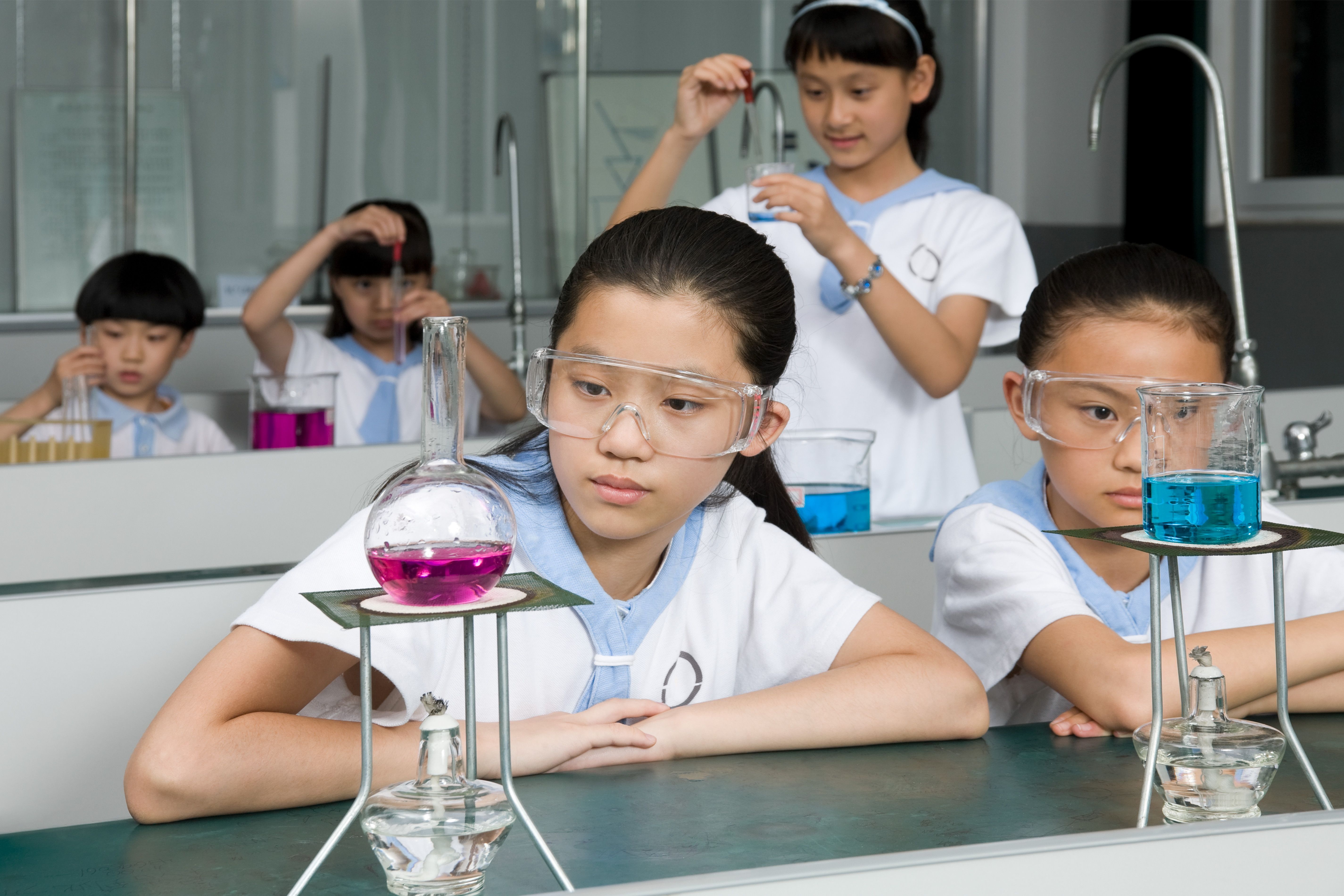
Chemistry in Maharashtra's curriculum is designed to unravel the mysteries of matter and chemical reactions. It includes topics such as organic chemistry, inorganic chemistry, and physical chemistry. The curriculum emphasizes laboratory experiments to help students visualize and understand complex chemical processes.
Students are encouraged to participate in science fairs and competitions, where they can showcase their experiments and projects. This not only hones their practical skills but also stimulates creativity and innovation.

Physics: Exploring the Universe
The physics curriculum in Maharashtra aims to explain the principles governing the universe. Covering areas such as mechanics, thermodynamics, electromagnetism, and modern physics, it provides a solid foundation for understanding physical phenomena.
Interactive simulations and workshops are incorporated into the learning process to make abstract concepts more accessible. The use of technology in teaching physics helps in illustrating complex theories with real-life examples, making learning more engaging.
Integrating Technology in Science Education
In an era dominated by technology, Maharashtra's science curriculum integrates digital tools to enhance learning. Tools like smartboards, virtual labs, and educational apps are used to make lessons more interactive and engaging. These technologies provide students with a dynamic learning environment that encourages exploration and discovery.
The incorporation of e-learning platforms has also expanded access to quality education, allowing students from various backgrounds to benefit from top-notch educational resources. This digital shift is crucial in preparing students for a future where technology plays an integral role.

Conclusion: A Model for Success
Maharashtra's science curriculum serves as a model for crafting effective educational programs that address the needs of modern learners. By emphasizing inquiry-based learning, hands-on experiences, and technological integration, the state has set a benchmark for science education that others can emulate.
As educators worldwide seek to improve their science curricula, they can draw inspiration from Maharashtra's approach. The focus on critical thinking, practical skills, and innovation ensures that students are well-equipped to tackle the challenges of the future.