
- MHN COACHING EDTECH SCIENCE SOLUTION
- Blog
- AI/IT PROGRAM WITH 100%
- Services
- Terms of service
- Privacy policy
- Team
- FAQ
- MHN ABROAD EDUCATION
- STUDENT REVIEW
- MHNIS Harmony Institute Of Science
- MHN Commerce
- CONTACT FORM
- MHNRS CONSTRUCTION GROUP OF CIVIL ENGINEERING
- GOOGLE REVIEWS
- MHN Global Infotech IT Company
- MHNIS HARMONY NGO
- Cambridge Hill International school
- VANA ORGANIC
- MHN NEWS
Designing Effective Science Curricula in Maharashtra: Best Practices


Introduction to Science Education in Maharashtra
Designing effective science curricula is crucial for fostering a deep understanding of scientific principles among students. In Maharashtra, where educational standards are continually evolving, it is essential to implement best practices that cater to diverse learning needs. A well-structured science curriculum not only enhances knowledge but also inspires curiosity and innovation.
A successful science curriculum should incorporate a balance of theoretical knowledge and practical application. This approach ensures that students not only grasp core concepts but also learn to apply them in real-world scenarios. Schools across Maharashtra are increasingly recognizing the importance of this balance in crafting their science curricula.

Best Practices for Physics Curriculum
Integrating Technology in Learning
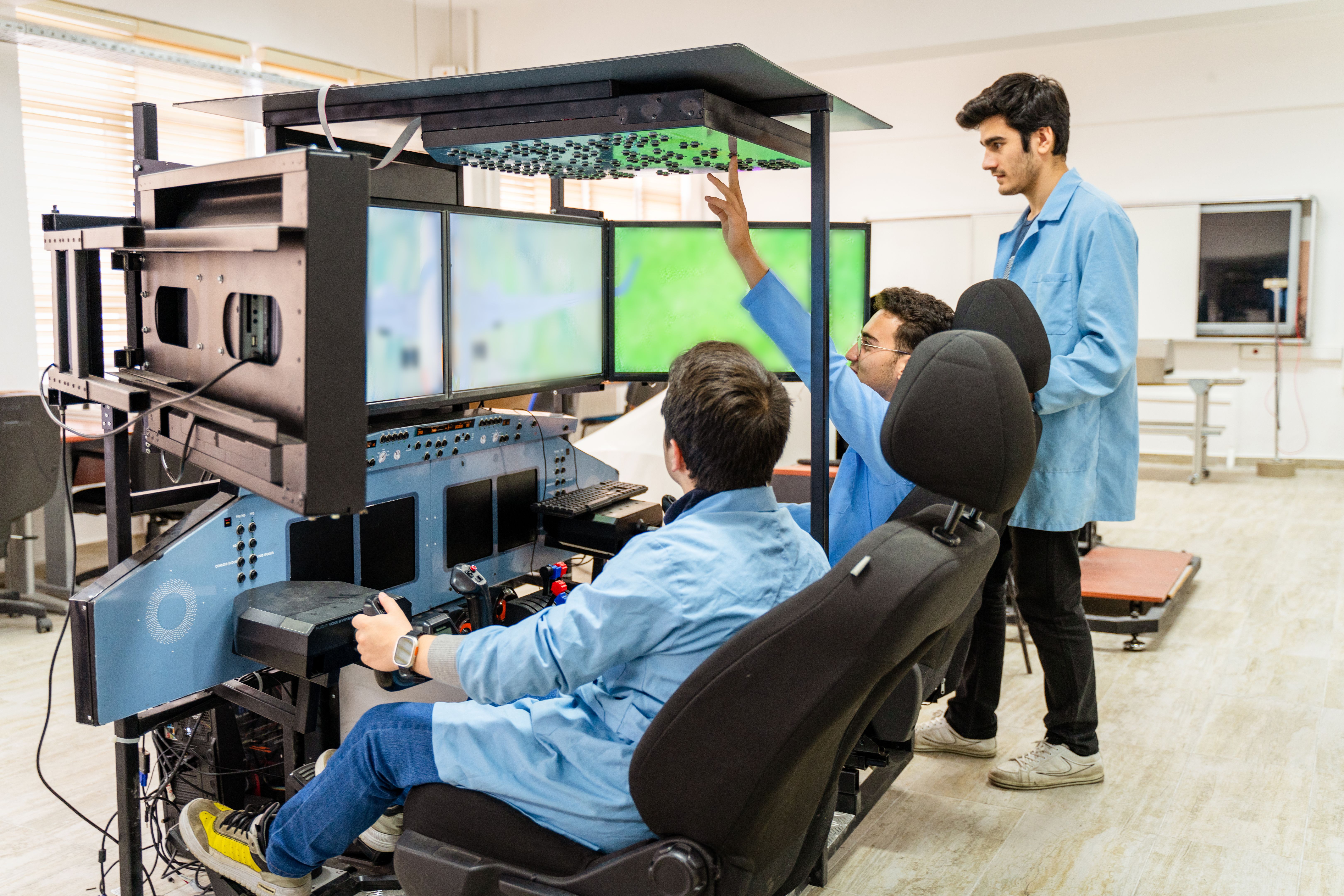
The integration of technology in the physics curriculum can significantly enhance learning outcomes. Tools like simulations and virtual labs allow students to experiment with complex concepts without the constraints of a physical lab. This method also caters to different learning speeds, providing students with the flexibility to explore topics at their own pace.
Moreover, incorporating multimedia resources such as educational videos and interactive modules can make abstract concepts more tangible. These resources can be particularly beneficial in explaining intricate topics like electromagnetism or quantum physics, where visual aids can simplify complex ideas.
Enhancing Chemistry Education
Hands-On Experience
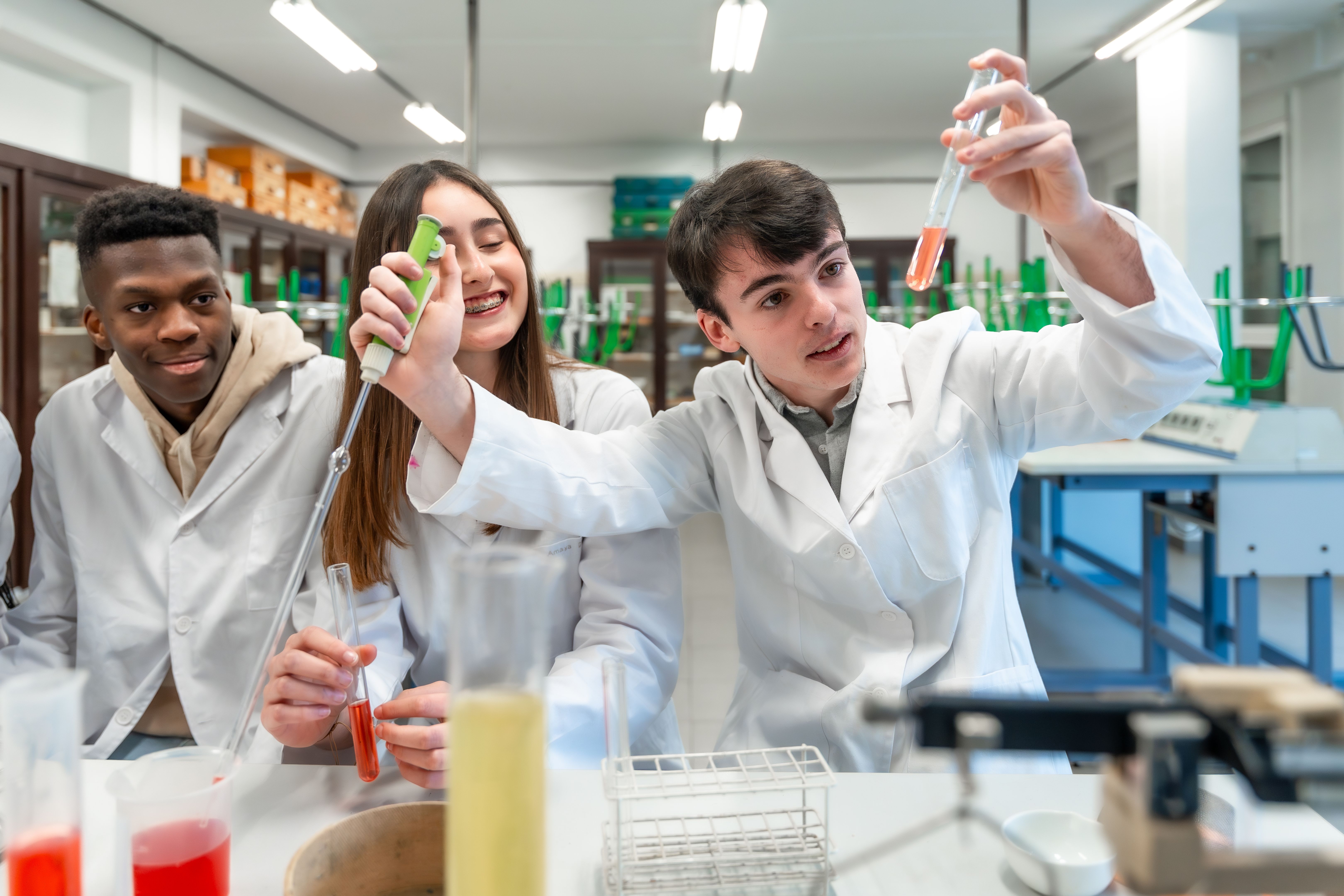
Chemistry is a subject that thrives on experimentation. An effective chemistry curriculum should include ample opportunities for hands-on experiments, which help students understand chemical reactions and processes firsthand. Schools should ensure that their laboratories are equipped with necessary materials and safety equipment to facilitate safe and engaging experiments.
Furthermore, project-based learning can be an effective strategy in chemistry education. Allowing students to work on projects that relate to real-world chemical phenomena not only reinforces theoretical concepts but also cultivates problem-solving skills and teamwork.
Innovative Approaches in Biology
Field Trips and Outdoor Learning
Biology offers numerous opportunities for outdoor education. Organizing field trips to botanical gardens, wildlife sanctuaries, or research institutions can provide students with a tangible understanding of biological concepts. These experiences foster a deeper appreciation for the natural world and encourage observational skills.
Incorporating citizen science projects into the biology curriculum can also be highly beneficial. Participating in initiatives where students collect data for scientific research not only enhances their learning but also contributes to genuine scientific endeavors.

Evaluating and Updating Curricula
Regular evaluation of the science curriculum is essential to ensure it remains relevant and effective. Feedback from teachers and students can provide valuable insights into what works and what doesn't. Schools should establish mechanisms for continuous assessment and updating of the curriculum based on these insights.
Additionally, staying abreast of global educational trends and advancements in science can inform curriculum updates. Incorporating cutting-edge scientific discoveries and methodologies can keep the curriculum dynamic and engaging for students.
Conclusion
Designing effective science curricula in Maharashtra requires a thoughtful blend of traditional teaching methods and innovative practices. By integrating technology, promoting hands-on learning, and regularly updating content, educators can create a stimulating environment that nurtures future scientists. As the educational landscape continues to evolve, embracing these best practices will be key to preparing students for the challenges of tomorrow.