
- MHN COACHING EDTECH SCIENCE SOLUTION
- Blog
- AI/IT PROGRAM WITH 100%
- Services
- Terms of service
- Privacy policy
- Team
- FAQ
- MHN ABROAD EDUCATION
- STUDENT REVIEW
- MHNIS Harmony Institute Of Science
- MHN Commerce
- CONTACT FORM
- MHNRS CONSTRUCTION GROUP OF CIVIL ENGINEERING
- GOOGLE REVIEWS
- MHN Global Infotech IT Company
- MHNIS HARMONY NGO
- Cambridge Hill International school
- VANA ORGANIC
- MHN NEWS
Exploring the Role of EdTech in Science Education in Maharashtra


Introduction to EdTech in Maharashtra
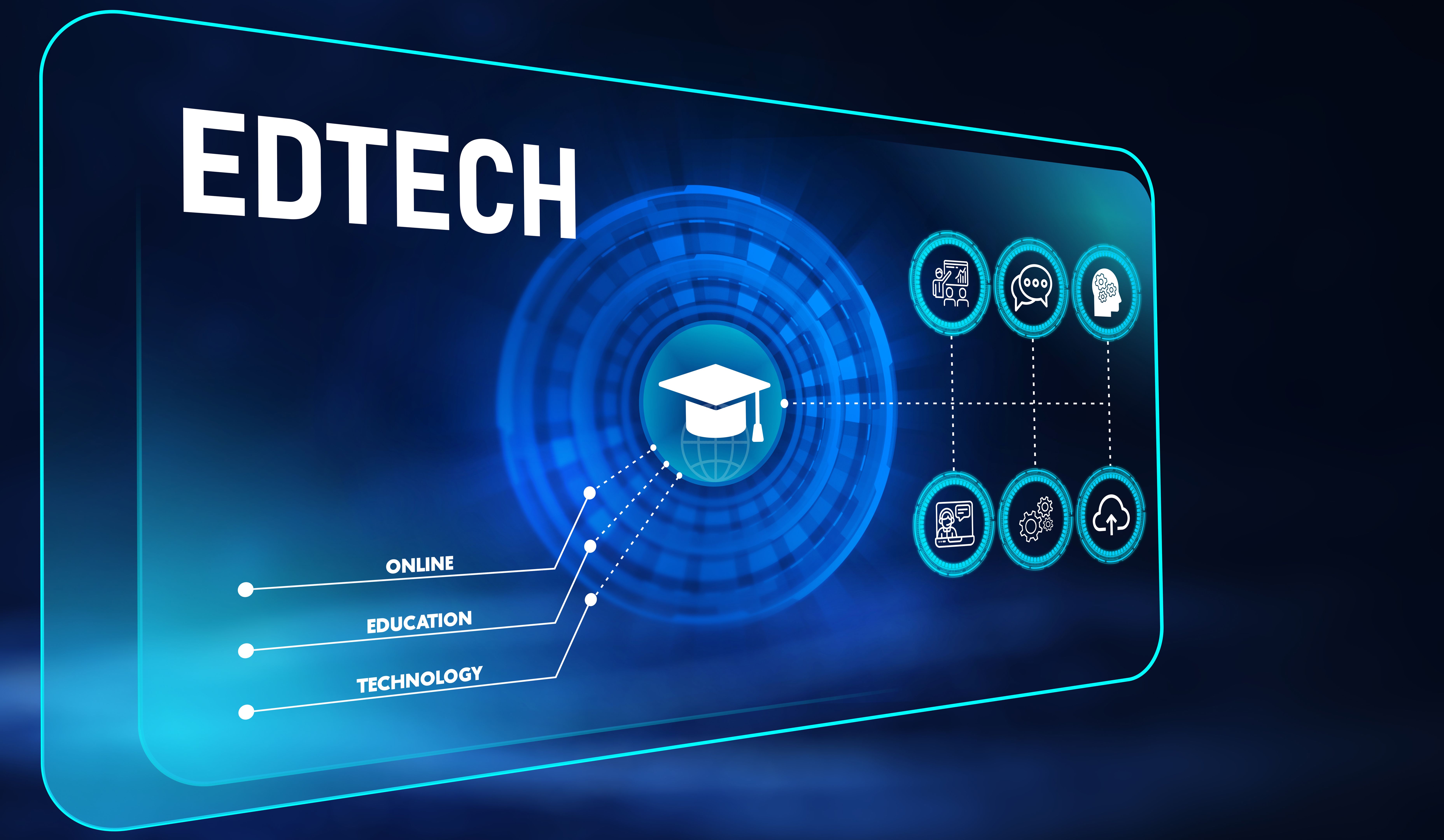
In recent years, Maharashtra has emerged as a hub for educational innovation, particularly in the field of science education. The integration of Educational Technology (EdTech) has played a pivotal role in transforming how science subjects are taught and learned across the state. This transformation is driven by a need to make science education more engaging, interactive, and accessible to students from diverse backgrounds.
The Impact of Digital Tools on Learning
Digital tools have become essential components in science classrooms, offering students the opportunity to engage with interactive simulations and virtual labs. These tools allow learners to visualize complex scientific concepts, perform experiments, and understand theories in a virtual environment. This not only enhances their understanding but also fosters a deeper interest in the subject.
Moreover, digital resources like e-books and online tutorials provide students with access to a wealth of information beyond traditional textbooks. They can explore topics at their own pace, which is particularly beneficial for those who require additional support or those who wish to delve deeper into specific areas of science.
Blended Learning Approaches
Blended learning, which combines traditional classroom teaching with online resources, has gained popularity in Maharashtra's science education landscape. This approach allows educators to tailor their teaching strategies to meet the needs of individual students, thus promoting personalized learning. By incorporating EdTech tools, teachers can create a more dynamic and interactive learning environment.

Role of Online Platforms in Science Education
Online platforms have become invaluable in supporting science education in Maharashtra. These platforms offer a range of resources, including video lectures, quizzes, and discussion forums, enabling students to collaborate and learn from experts worldwide. Such platforms also facilitate synchronous and asynchronous learning, allowing students to choose when and how they engage with the material.
Furthermore, online platforms often provide analytics tools that help educators track student progress. This data-driven approach allows teachers to identify areas where students struggle and adjust their teaching methods accordingly.
Gamification in Science Education
Gamification is another innovative EdTech strategy being employed in Maharashtra's science classrooms. By incorporating game elements into learning activities, educators can increase student motivation and engagement. Games that involve problem-solving and critical thinking can help students develop important skills while making the learning process enjoyable.

Challenges and Opportunities
While EdTech offers numerous advantages for science education, it also presents certain challenges. Access to technology remains a significant issue in some rural areas of Maharashtra. Additionally, teachers need adequate training to effectively integrate these technologies into their teaching practices.
However, these challenges also present opportunities for growth and development. By investing in infrastructure and professional development for educators, Maharashtra can continue to lead the way in innovative science education.
The Future of EdTech in Maharashtra
The future of EdTech in Maharashtra looks promising as more schools and institutions recognize its potential to revolutionize science education. With ongoing advancements in technology and continued investment in educational resources, the state is well-positioned to provide high-quality science education that prepares students for future challenges.
As we move forward, it is crucial for stakeholders—educators, policymakers, and technology providers—to collaborate in ensuring that EdTech solutions are accessible and effective for all students across Maharashtra. This collective effort will ensure that the benefits of technology-enhanced learning are fully realized.