
- MHN COACHING EDTECH SCIENCE SOLUTION
- Blog
- AI/IT PROGRAM WITH 100%
- Services
- Terms of service
- Privacy policy
- Team
- FAQ
- MHN ABROAD EDUCATION
- STUDENT REVIEW
- MHNIS Harmony Institute Of Science
- MHN Commerce
- CONTACT FORM
- MHNRS CONSTRUCTION GROUP OF CIVIL ENGINEERING
- GOOGLE REVIEWS
- MHN Global Infotech IT Company
- MHNIS HARMONY NGO
- Cambridge Hill International school
- VANA ORGANIC
- MHN NEWS
How to Blend Traditional Teaching with Modern EdTech for Success


Understanding the Intersection of Traditional and Modern Education
The fusion of traditional teaching methods with modern educational technology (EdTech) is transforming the learning landscape. By combining time-tested pedagogical approaches with innovative digital tools, educators can enhance student engagement and improve learning outcomes. The key to success lies in understanding how these two approaches can complement each other.
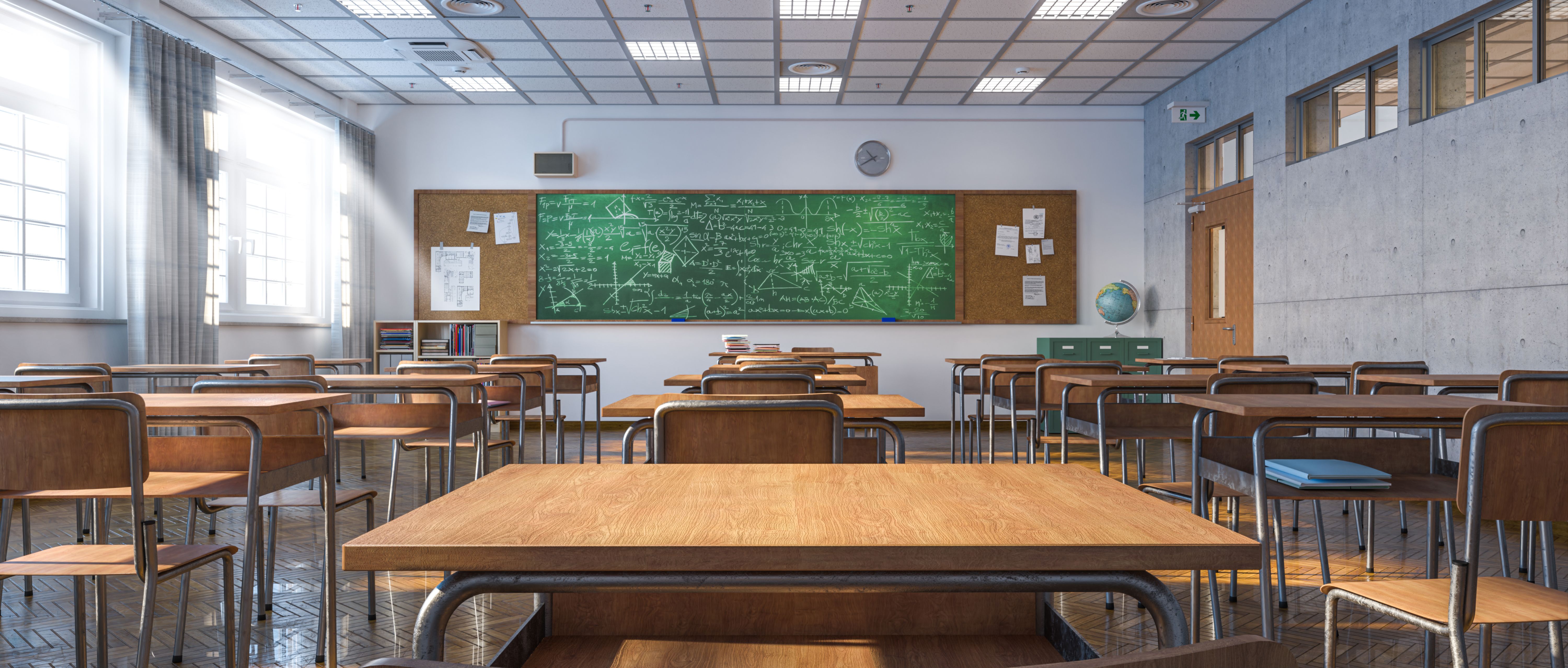
The Benefits of Blending Teaching Methods
Integrating traditional and modern teaching methods offers several advantages. Traditional techniques provide a solid foundation in critical thinking and problem-solving, while EdTech tools offer interactive and personalized learning experiences. This blend allows students to benefit from both structured learning and creative exploration.
Increased Accessibility: EdTech opens up learning opportunities for students with different needs and learning styles, making education more inclusive.
Implementing EdTech in the Classroom
To successfully integrate EdTech into traditional teaching, educators should start by identifying the specific needs of their students and the goals of their curriculum. This process involves selecting appropriate tools and platforms that align with these objectives.

Teachers can use a combination of digital resources, such as interactive whiteboards, online quizzes, and educational apps, to enhance the learning experience. It's essential to ensure that these tools are user-friendly and accessible to both students and teachers.
Creating a Balanced Learning Environment
Achieving a balanced learning environment requires careful planning and execution. Educators should aim to create a seamless integration where technology complements traditional methods without overshadowing them. This balance can be achieved through:
- Blended Learning Models: Combining in-person instruction with online components to cater to various learning preferences.
- Flipped Classrooms: Allowing students to explore new content at home and apply knowledge through activities in the classroom.

Training and Support for Educators
For a successful integration of EdTech, teachers must be adequately trained and supported. Professional development programs can empower educators with the skills needed to effectively use technology in their teaching practices. Moreover, continuous support from school administration and tech teams can ensure a smooth transition.
Encouraging a culture of collaboration among educators can also lead to sharing best practices and innovative teaching strategies, further enhancing the learning experience.
Measuring the Impact of Blended Education
To evaluate the success of blending traditional teaching with EdTech, it's crucial to measure its impact on student learning and engagement. This can be achieved through regular assessments, feedback from students, and analysis of learning outcomes.
Data-driven insights can guide educators in refining their approach, ensuring that both traditional and modern methods are effectively contributing to student success.
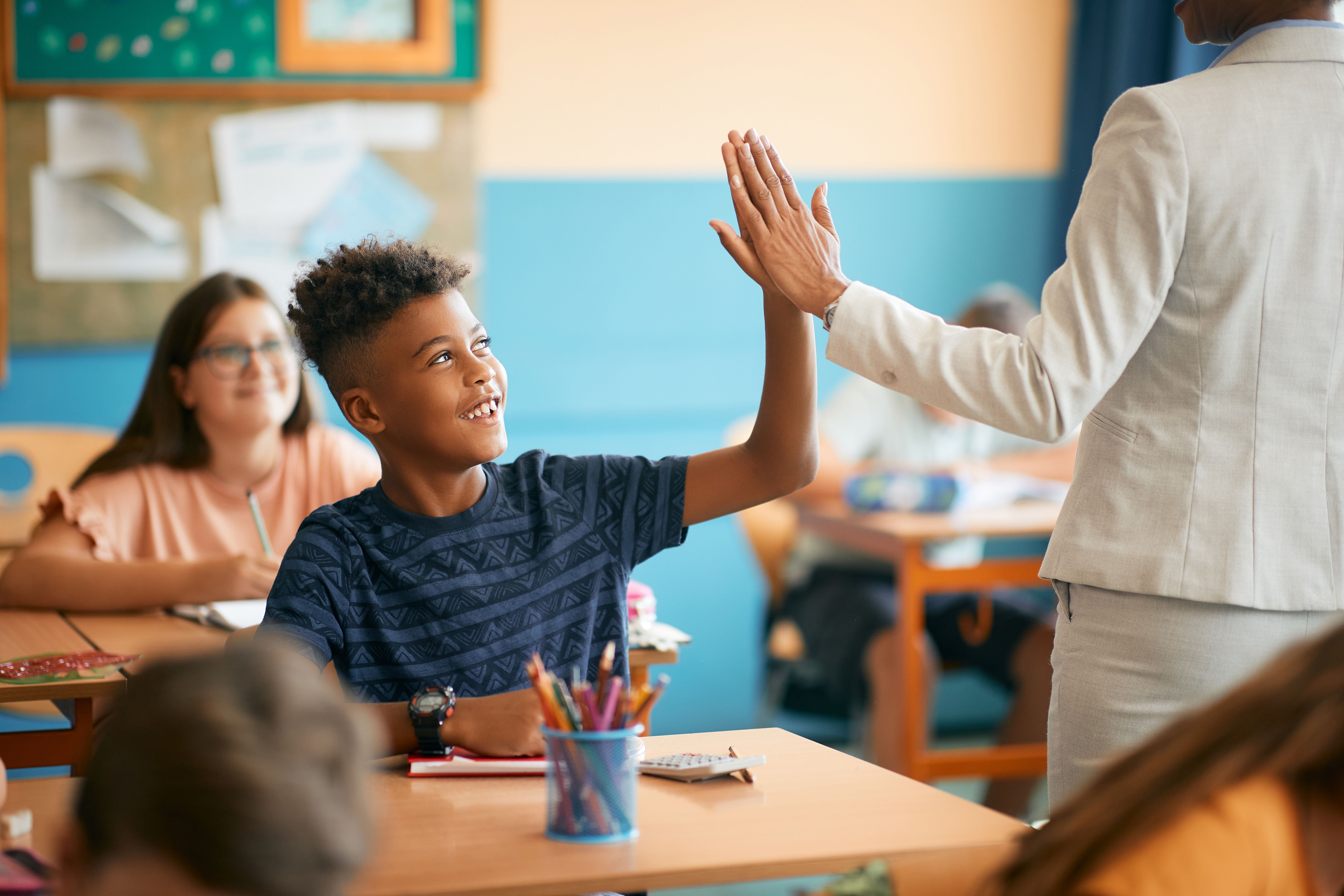
By thoughtfully integrating EdTech with traditional teaching methods, educators can create a dynamic and effective learning environment that prepares students for the challenges of the future.