
- MHN COACHING EDTECH SCIENCE SOLUTION
- Blog
- AI/IT PROGRAM WITH 100%
- Services
- Terms of service
- Privacy policy
- Team
- FAQ
- MHN ABROAD EDUCATION
- STUDENT REVIEW
- MHNIS Harmony Institute Of Science
- MHN Commerce
- CONTACT FORM
- MHNRS CONSTRUCTION GROUP OF CIVIL ENGINEERING
- GOOGLE REVIEWS
- MHN Global Infotech IT Company
- MHNIS HARMONY NGO
- Cambridge Hill International school
- VANA ORGANIC
- MHN NEWS
How to Choose Between Regular and Distance Education for College


Introduction
Choosing between regular and distance education for college can be a significant decision impacting your academic journey and future career. Both options have their unique advantages and limitations, making it essential to evaluate your goals, lifestyle, and learning preferences. In this blog post, we'll explore key factors to consider when deciding between traditional on-campus education and distance learning.
Understanding Regular Education
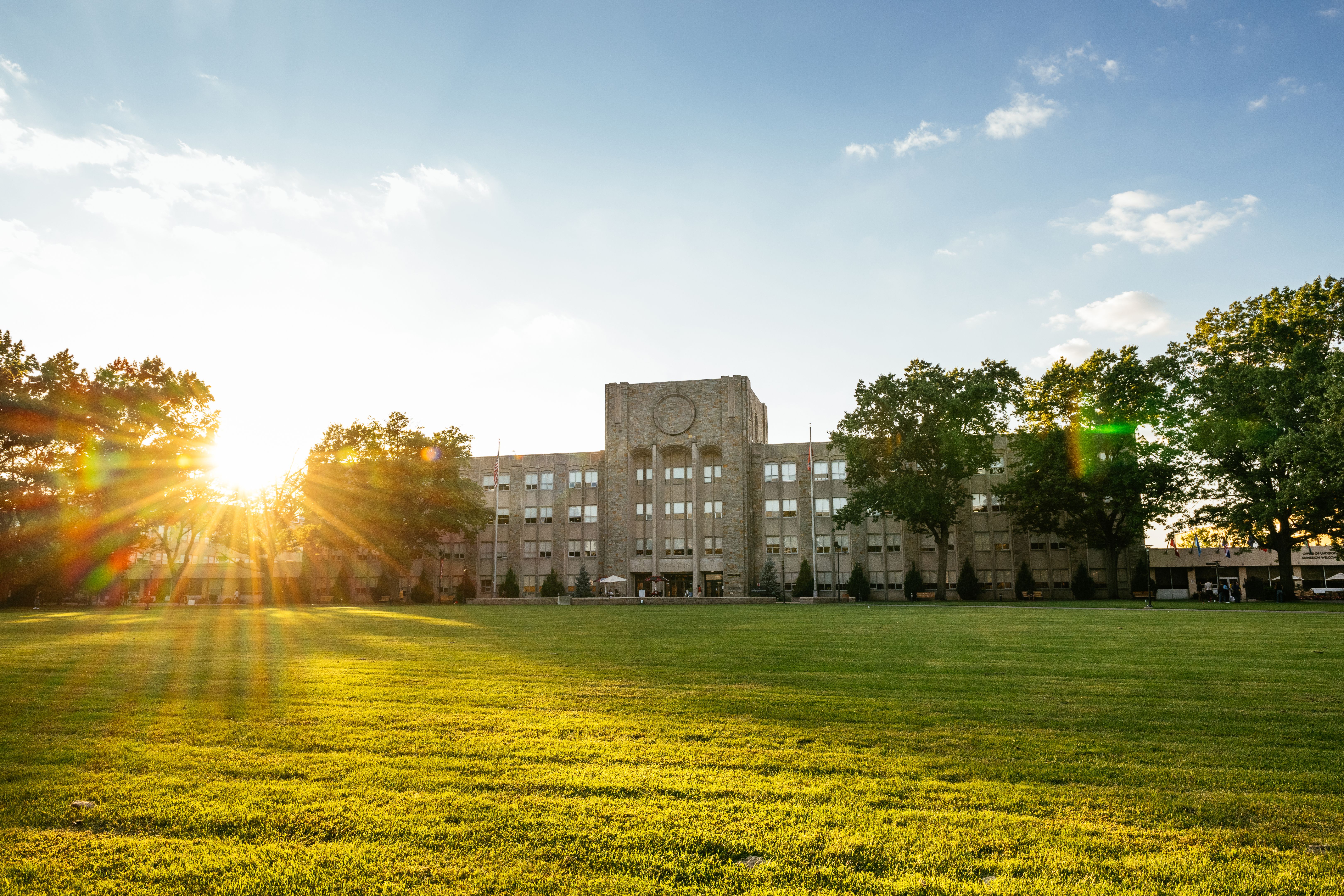
Regular education, also known as on-campus or in-person learning, involves attending classes in a physical classroom setting. This mode of education offers a structured environment and direct interaction with professors and peers. For many students, the campus experience is invaluable, providing opportunities for social engagement, networking, and personal growth.
One of the primary benefits of regular education is the comprehensive college experience. Students have access to campus facilities, extracurricular activities, and face-to-face support from faculty and staff. Additionally, being physically present can foster discipline and motivation, as the structured schedule often helps maintain focus on studies.
Exploring Distance Education
Distance education, commonly referred to as online learning, allows students to pursue their studies remotely. This form of education provides flexibility, enabling learners to attend classes from anywhere in the world at their own pace. For individuals who need to balance work, family, or other commitments, distance learning can be an ideal choice.
The flexibility of distance education is one of its most attractive features. Students can tailor their schedules to fit their unique needs, often accessing recorded lectures and digital resources at their convenience. This mode of learning is particularly beneficial for self-disciplined individuals who thrive in an independent study environment.

Comparing Costs and Resources
Cost is a significant factor for many when choosing between regular and distance education. Traditional on-campus programs often come with additional expenses, such as housing, commuting, and campus fees. In contrast, distance education typically involves lower costs, as students can save on transportation and living expenses.
However, it's essential to consider the resources available in each mode of education. On-campus students may have access to state-of-the-art facilities and libraries, while distance learners need to ensure they have reliable internet access and technology to support their studies.

Evaluating Learning Styles
Understanding your preferred learning style can significantly influence your decision. If you thrive in a collaborative environment with immediate feedback, regular education might be more suitable. Conversely, if you prefer working independently and value flexibility, distance education could be a better fit.
Consider how you best absorb information and the type of support you need. Regular education offers real-time interaction, while distance learning often relies on forums, emails, and virtual meetings for communication. Each option can enhance your educational experience if it aligns with your learning style.
Making the Decision
Ultimately, the choice between regular and distance education should reflect your personal circumstances and academic goals. Evaluate factors such as cost, flexibility, learning style, and career aspirations. Research the programs offered by institutions and consider speaking with current students or alumni to gain insights into their experiences.
By carefully weighing these considerations, you can make an informed decision that aligns with your needs and sets the stage for a successful college journey. Whether you choose the traditional campus experience or the modern flexibility of online learning, both paths offer valuable opportunities for growth and development.