
- MHN COACHING EDTECH SCIENCE SOLUTION
- Blog
- AI/IT PROGRAM WITH 100%
- Services
- Terms of service
- Privacy policy
- Team
- FAQ
- MHN ABROAD EDUCATION
- STUDENT REVIEW
- MHNIS Harmony Institute Of Science
- MHN Commerce
- CONTACT FORM
- MHNRS CONSTRUCTION GROUP OF CIVIL ENGINEERING
- GOOGLE REVIEWS
- MHN Global Infotech IT Company
- MHNIS HARMONY NGO
- Cambridge Hill International school
- VANA ORGANIC
- MHN NEWS
Online Science Classes vs. Traditional Learning: Pros and Cons for Indian Students


Introduction
In recent years, the landscape of education has been transformed by the integration of technology. In India, students now have the option to choose between online science classes and traditional classroom learning. Each mode of education offers distinct advantages and challenges, making it crucial for students and parents to understand the pros and cons of both options.
Flexibility and Accessibility
Online science classes offer unparalleled flexibility. Students can learn at their own pace, accessing materials anytime and anywhere. This is particularly beneficial for students in remote areas of India, where traditional schools may not always offer advanced science courses. Additionally, online classes eliminate the need for travel, saving time and resources.

On the other hand, traditional learning environments provide a structured schedule that many students find beneficial. Regular class times and face-to-face interactions with teachers help maintain a consistent learning routine. For some students, this structure aids in better focus and discipline.
Quality of Education
The quality of education in online classes can vary significantly. Some platforms offer high-quality content created by expert educators, while others may lack depth and engagement. It is essential for students to choose reputable online courses to ensure they receive a comprehensive understanding of scientific concepts.
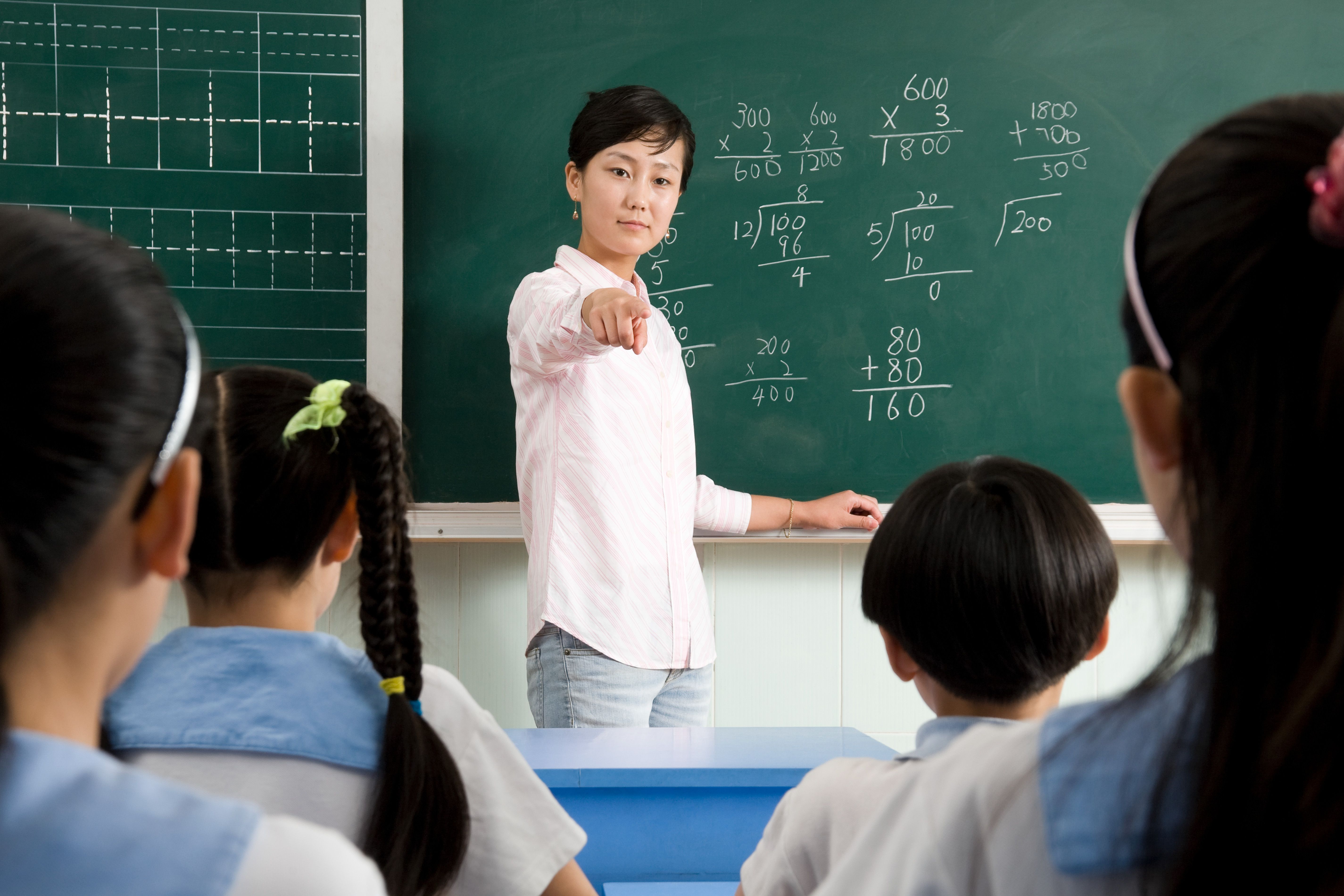
Traditional classrooms, however, often have a set curriculum and experienced teachers who can provide immediate feedback and clarification. The direct interaction between teachers and students can enhance understanding and retention of complex scientific theories.
Cost Implications
Online science classes can be more cost-effective than traditional schools. They often have lower fees, and students save on transportation and accommodation costs. Additionally, many online resources are available for free or at a low cost, making education more accessible to students from diverse economic backgrounds.
Conversely, traditional schools may require higher tuition fees due to infrastructural costs and other overheads. However, they offer access to physical lab facilities, which are crucial for hands-on learning in science subjects.
Social Interaction and Skill Development
One significant drawback of online classes is the lack of social interaction. Students miss out on developing interpersonal skills that are naturally cultivated in a classroom setting. Collaborating with peers, participating in group projects, and engaging in discussions are vital components of a well-rounded education.
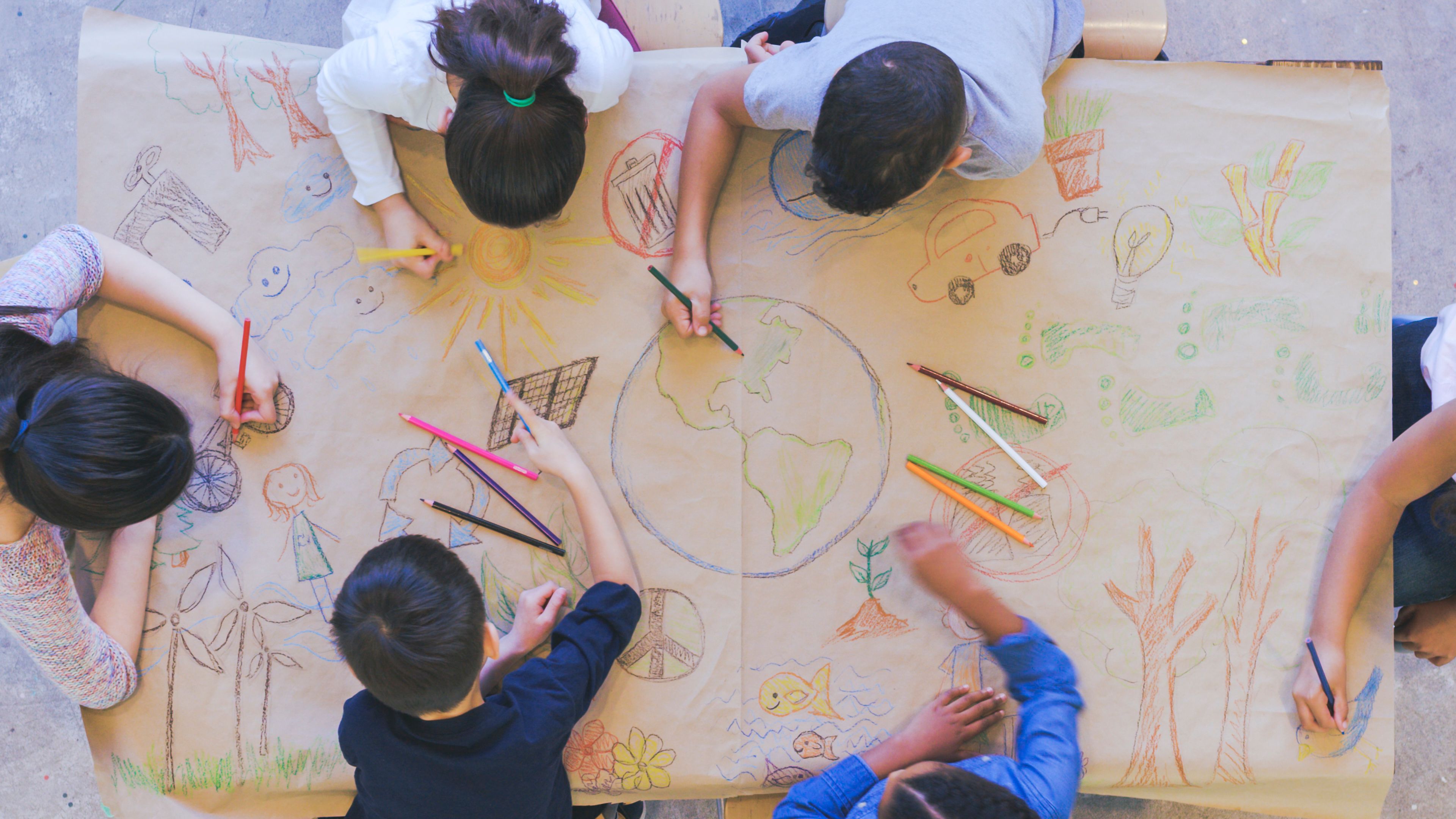
Traditional classrooms foster a sense of community and teamwork. They provide opportunities for students to build friendships and develop communication skills that are essential in both personal and professional spheres.
Conclusion
The choice between online science classes and traditional learning depends on individual preferences, needs, and circumstances. While online education offers flexibility and affordability, traditional learning provides structured guidance and rich social experiences. Indian students should weigh these factors carefully to make informed decisions that align with their educational goals.