
- MHN COACHING EDTECH SCIENCE SOLUTION
- Blog
- AI/IT PROGRAM WITH 100%
- Services
- Terms of service
- Privacy policy
- Team
- FAQ
- MHN ABROAD EDUCATION
- STUDENT REVIEW
- MHNIS Harmony Institute Of Science
- MHN Commerce
- CONTACT FORM
- MHNRS CONSTRUCTION GROUP OF CIVIL ENGINEERING
- GOOGLE REVIEWS
- MHN Global Infotech IT Company
- MHNIS HARMONY NGO
- Cambridge Hill International school
- VANA ORGANIC
- MHN NEWS
The Benefits of Localized Science Education Solutions in Maharashtra


Understanding Localized Science Education
Localized science education solutions refer to teaching methods and curricula tailored to the specific cultural, geographical, and economic contexts of a region. In Maharashtra, a state with a rich tapestry of traditions and diverse ecosystems, such solutions can significantly enhance students' learning experiences. By integrating local knowledge and resources into science education, students can better relate to and understand scientific concepts.
These localized solutions are not only about adapting content but also about using language and examples that resonate with the students' daily lives. This approach helps bridge the gap between theoretical knowledge and practical application, making science more relevant to students in Maharashtra.
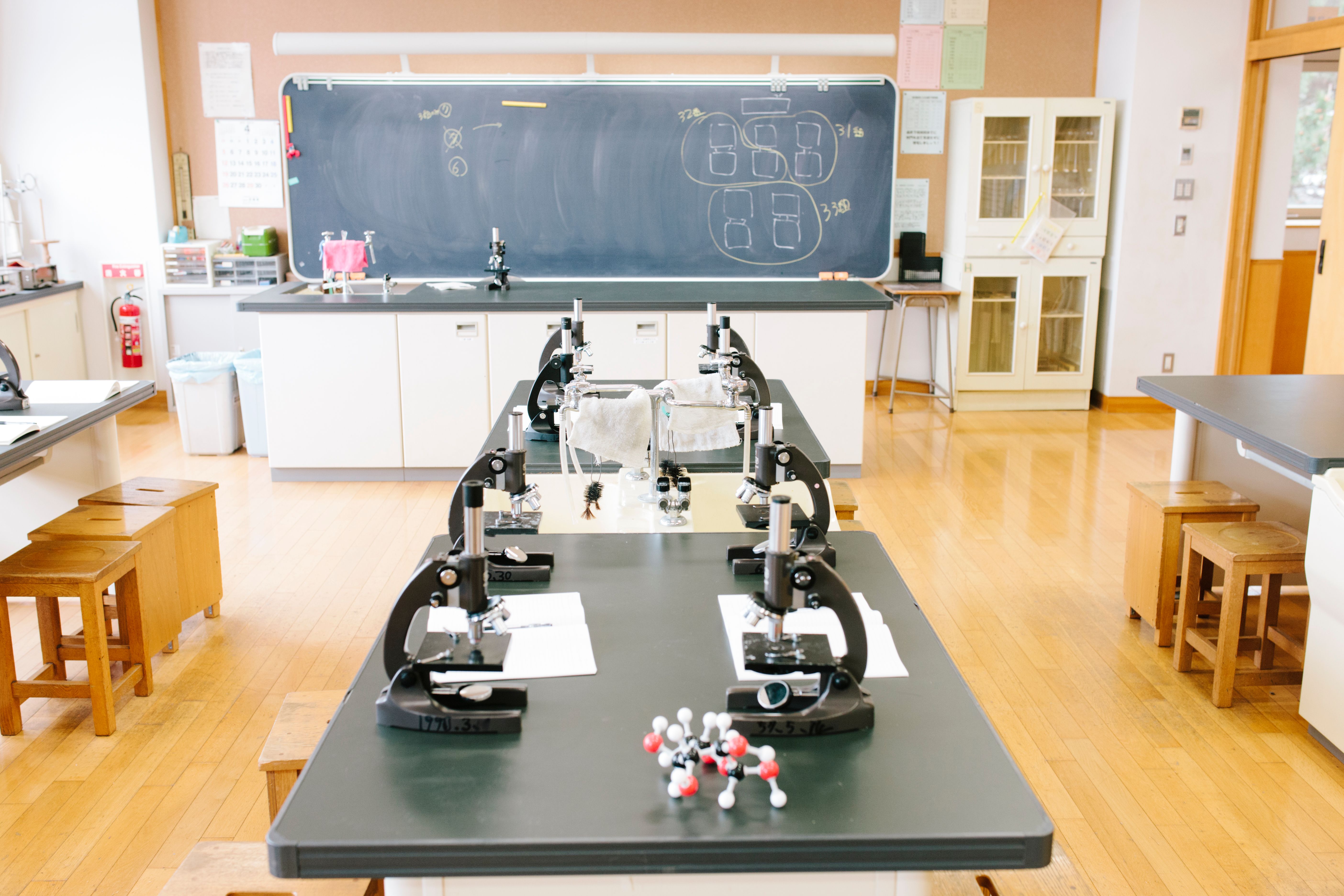
Enhancing Engagement and Motivation
One of the primary benefits of localized science education is the increased engagement it fosters among students. When learners see their environment reflected in their studies, they are more likely to take an interest in the subject matter. By using familiar examples from Maharashtra's diverse landscapes, such as the Western Ghats or the Deccan Plateau, educators can spark curiosity and enthusiasm.
Moreover, incorporating local success stories and scientific achievements can serve as powerful motivators. This approach not only boosts interest but also instills a sense of pride and possibility in students, showing them that scientific innovation is achievable within their own communities.
Building Relevant Skills
Localized science education solutions are instrumental in developing skills that are directly applicable to local challenges. For instance, by focusing on agricultural sciences pertinent to Maharashtra's climate and soil conditions, students can acquire the knowledge necessary to address real-world issues like crop management and sustainability.
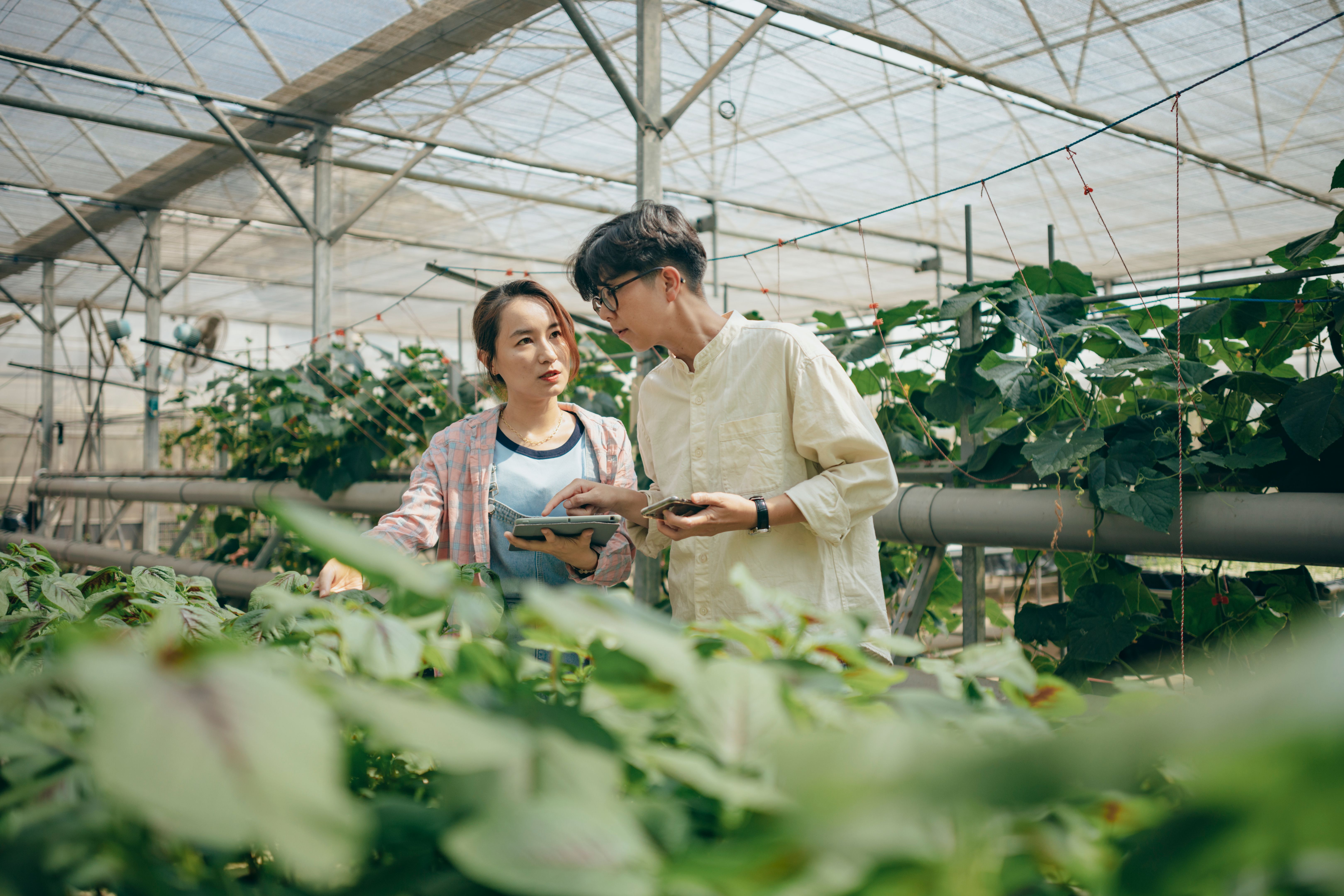
Additionally, this approach promotes critical thinking and problem-solving skills. Students learn to observe their surroundings, ask questions, and conduct experiments that relate to their immediate environment. These skills are invaluable in preparing them for future careers and contributions to their communities.
Fostering Inclusivity and Accessibility
Localized educational strategies also play a crucial role in making science education more inclusive. By providing learning materials in regional languages and dialects, educators can reach a broader audience, including those from rural or underserved areas. This inclusivity ensures that all students have equal opportunities to excel in science.
Furthermore, localized content helps dismantle barriers that might exist due to unfamiliarity with standard scientific terminology or foreign contexts. By presenting information in a familiar framework, educators can make science more approachable for all learners.

Promoting Environmental Awareness
With Maharashtra's diverse ecosystems, localized science education can cultivate environmental awareness among students. By teaching them about local flora and fauna, conservation efforts, and sustainable practices, educators can inspire a generation that values and protects their natural heritage.
This environmental focus not only contributes to personal growth but also encourages students to become active participants in addressing ecological challenges. By understanding the unique environmental issues facing Maharashtra, students can contribute to sustainable solutions in the future.
Conclusion
The benefits of localized science education solutions in Maharashtra are manifold. From enhancing engagement and building relevant skills to fostering inclusivity and promoting environmental awareness, this approach provides a comprehensive framework for enriching science education. By tailoring educational content to reflect local contexts, educators can empower students to connect with science on a deeper level, preparing them to face both local and global challenges.