
- MHN COACHING EDTECH SCIENCE SOLUTION
- Blog
- AI/IT PROGRAM WITH 100%
- Services
- Terms of service
- Privacy policy
- Team
- FAQ
- MHN ABROAD EDUCATION
- STUDENT REVIEW
- MHNIS Harmony Institute Of Science
- MHN Commerce
- CONTACT FORM
- MHNRS CONSTRUCTION GROUP OF CIVIL ENGINEERING
- GOOGLE REVIEWS
- MHN Global Infotech IT Company
- MHNIS HARMONY NGO
- Cambridge Hill International school
- VANA ORGANIC
- MHN NEWS
The Future of Education in Maharashtra: Trends in Science Learning


Introduction to Science Education in Maharashtra
The state of Maharashtra is at the forefront of educational reform in India, particularly in the field of science education. As we look towards the future, it is essential to understand the current trends shaping science learning in this vibrant state. From technology integration to curriculum innovation, Maharashtra is setting a benchmark for other regions.
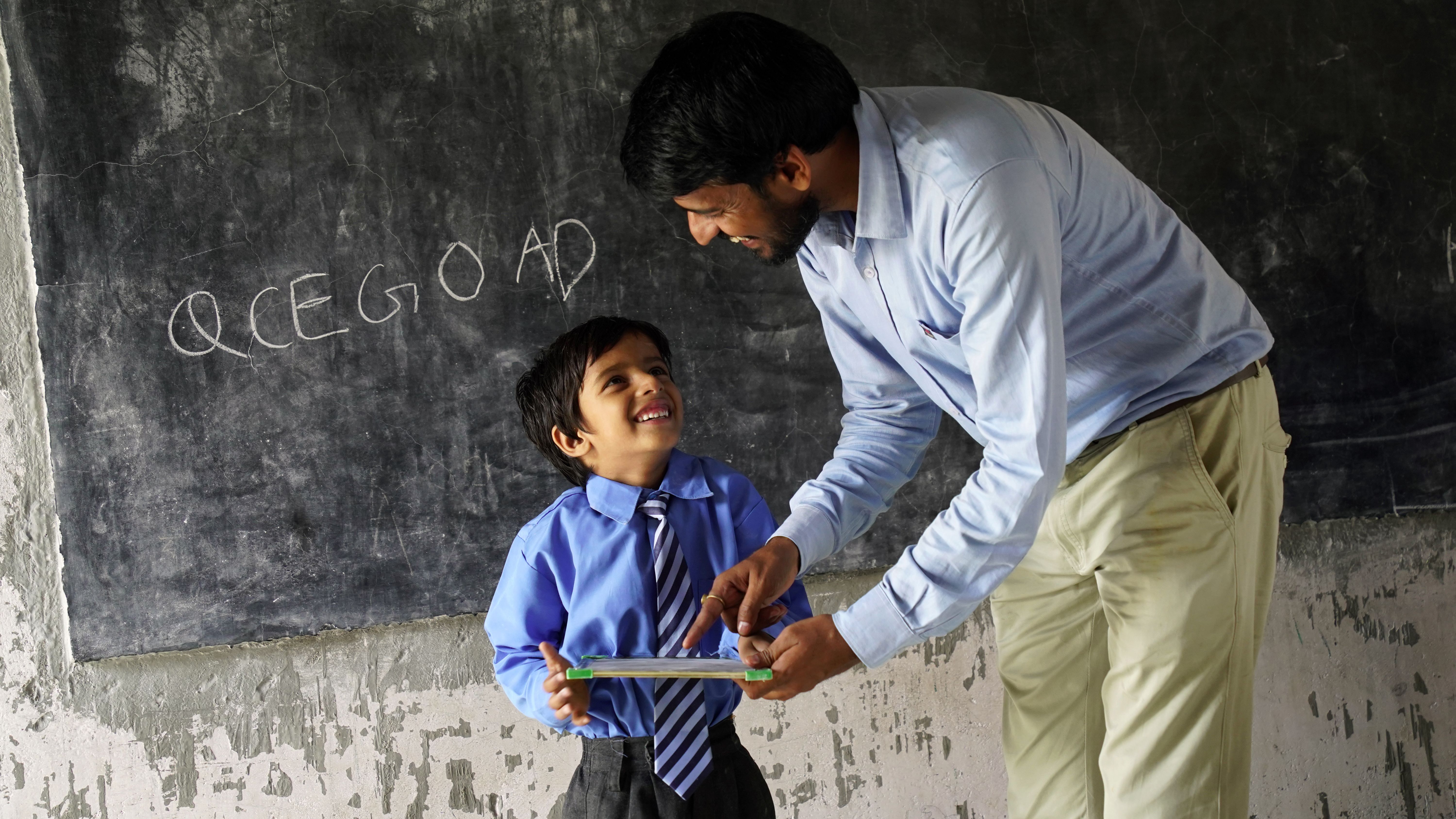
Technology Integration in Classrooms
One of the most significant trends in science education is the integration of technology in classrooms. Schools across Maharashtra are adopting digital tools to enhance learning experiences. Interactive whiteboards, tablets, and online resources are becoming commonplace, allowing students to engage with scientific concepts in dynamic ways.
This technological shift not only makes science more accessible but also prepares students for a future where digital literacy is crucial. Teachers are being trained to use these tools effectively, ensuring that the transition to digital learning environments is smooth and productive.
Online and Blended Learning Models
The COVID-19 pandemic accelerated the adoption of online and blended learning models. Many schools have continued to implement these models, offering a flexible approach to education. Blended learning combines traditional classroom instruction with online activities, providing a comprehensive educational experience.

Curriculum Innovation
Maharashtra is also witnessing innovative changes in its science curriculum. The focus is shifting from rote memorization to critical thinking and problem-solving skills. New syllabi emphasize hands-on experiments and real-world applications of scientific theories, encouraging students to explore and discover.
Moreover, interdisciplinary approaches are being introduced, linking science with subjects like mathematics, technology, and engineering. This holistic approach ensures that students develop a well-rounded understanding of how science influences various aspects of life.
Emphasis on STEM Education
The emphasis on STEM (Science, Technology, Engineering, and Mathematics) education continues to grow. Maharashtra is investing in STEM initiatives to equip students with the skills necessary for the 21st century. By fostering innovation and creativity, these programs aim to produce future scientists, engineers, and technologists.
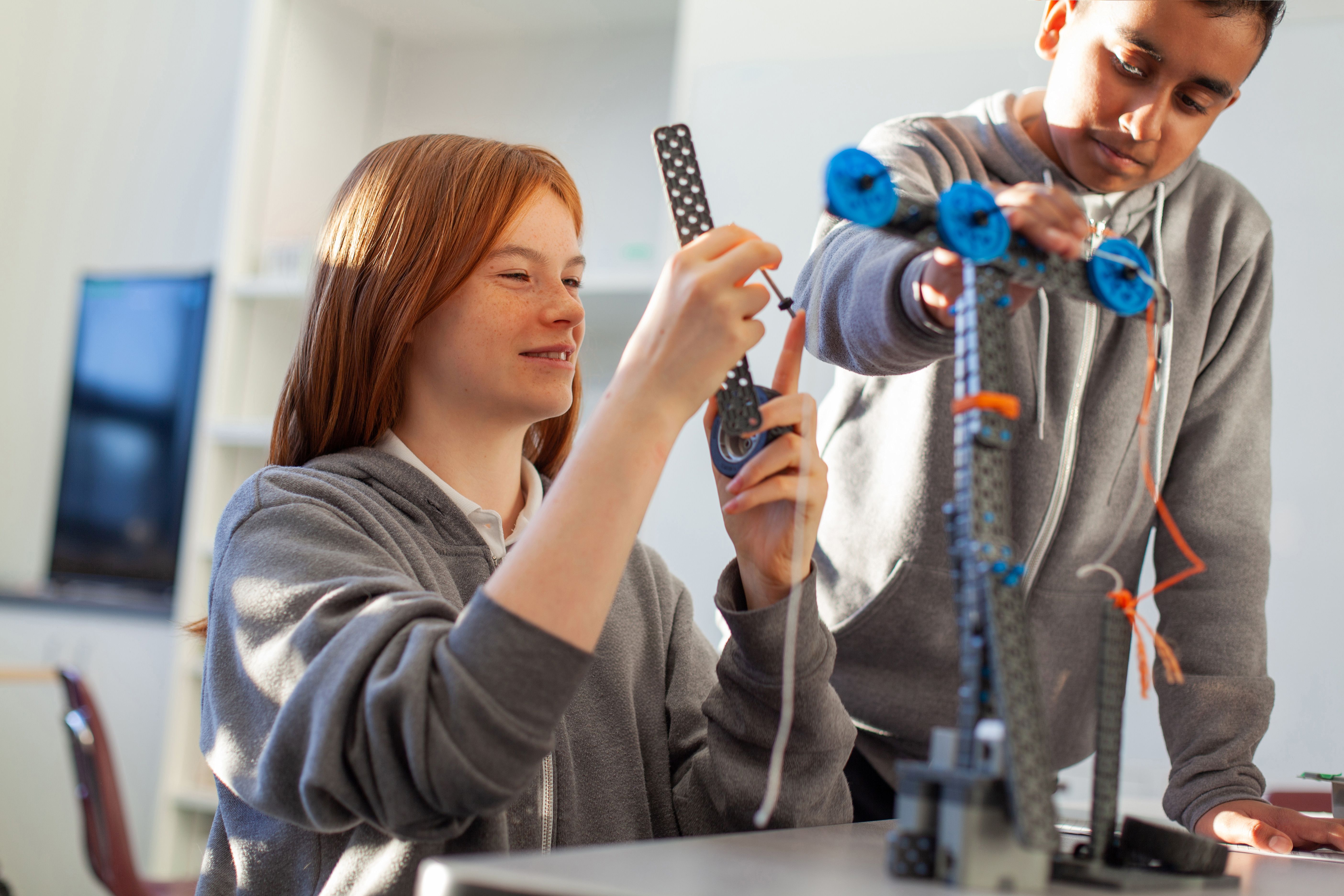
Collaborative Efforts with Industry
Collaboration between educational institutions and industries is another emerging trend. Partnerships with tech companies and research organizations provide students with exposure to cutting-edge developments in science and technology. These collaborations offer internships, workshops, and mentorship programs that enrich the educational experience.
Such partnerships also help bridge the gap between academia and industry, ensuring that the curriculum remains relevant to current market demands. By aligning educational objectives with industry needs, students are better prepared for future careers.
Conclusion: A Vision for the Future
The future of education in Maharashtra is promising, with science learning at its core. By embracing technology, revising curricula, and fostering industry partnerships, the state is creating a robust educational ecosystem. These efforts ensure that students are not only well-equipped for academic success but are also prepared to tackle real-world challenges.
As Maharashtra continues to innovate and adapt, it sets an inspiring example for other regions looking to enhance science education and prepare the next generation for a rapidly evolving world.